
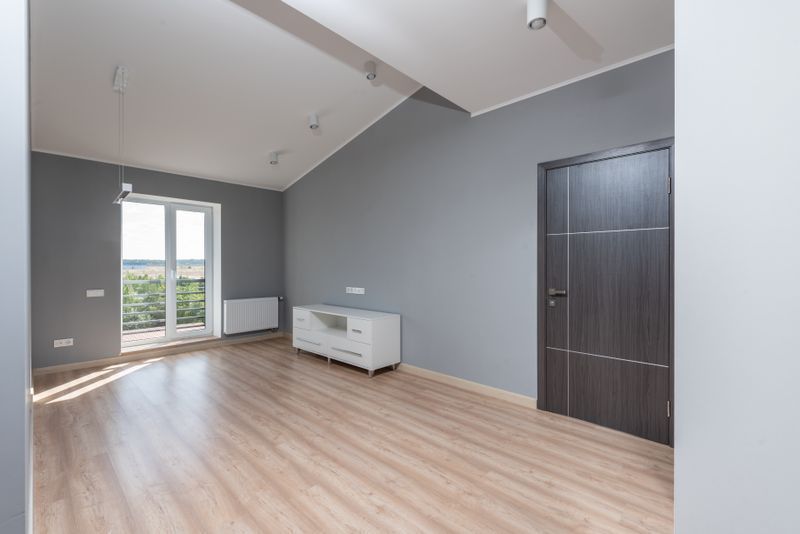
An empty house changes the questions
After the last moving box leaves, it is tempting to think of the house as a finished responsibility waiting for a buyer. But the property may still be yours, and your insurance arrangements deserve a fresh conversation. Do not assume the existing policy fits every change in occupancy. Policies and circumstances differ. Contact your insurer or licensed agent, explain exactly what has changed, and ask how the policy treats the property during the period before the sale and possession transfer.
Prepare facts before calling: when regular occupancy ended, whether belongings remain, how often someone visits, whether utilities are active, and what work or buyer access is planned. If you do not know a detail, say so. A relative checking the porch occasionally may not mean the same thing as someone residing there. Ask the agent to explain relevant definitions in your own policy rather than importing a definition found in an online discussion. The goal is an accurate account of your situation.
Ask for the answer that belongs to your policy
Tell the agent you are planning a sale and ask which coverage, exclusions, conditions, or endorsements should be reviewed. Ask about the effective date of any needed change and whether the insurer requires particular information or practices while the house is empty. Request written confirmation or policy documents that explain the response. This article offers a call preparation method, not a determination of coverage. The National Association of Insurance Commissioners provides consumer home-insurance guidance, but your actual policy and insurer response remain essential.
If an agent recommends another product, compare its scope, deductible, term, cost, and cancellation arrangements. Ask how it addresses the concerns you identified rather than focusing only on the premium. Explain planned contractors or cleanup activity. Ask whom to contact if the expected sale is delayed or an occupant returns. Save the answer beside your closing calendar so a change in timing triggers the right follow-up. A quotation is also different from confirmed coverage; ask what must happen before any change takes effect.
Give property checks a named owner
Arrange an appropriate person to check the property and document visits within whatever plan you establish. Define the task: exterior observation, checking accessible rooms safely, reporting obvious changes, or coordinating a scheduled appointment. Do not turn a neighbor’s casual favor into an undefined management role. Agree on frequency, access, reimbursement if applicable, and whom to call when something appears wrong. If policy conditions require particular action, ask the agent how to document compliance and use the exact guidance you receive.
Keep a short visit log with date, person, observations, and follow-up. Photographs can support the log, but they do not replace professional assessment or prove coverage. Do not ask someone to enter an unsafe room, climb onto a roof, or handle suspected electrical problems. Establish a contact for urgent concerns and clarify what spending authority, if any, the visitor has. A person should not have to guess whether they can authorize a repair while you are unreachable and water is appearing under a door.
Connect the insurance timeline to the sale timeline
Ask the agent when and how to change or cancel coverage after the transaction, and confirm the possession arrangement with the closing professional. Signing papers, funding, recording, and possession can involve distinct events depending on the transaction. Get instructions appropriate to yours. Do not cancel solely because someone says the sale is almost finished. Likewise, do not assume a buyer’s coverage answers every responsibility you still have during an agreed occupancy period. Bring unusual possession arrangements to both professionals before committing.
If closing moves, update the property calendar and the insurance contact together. Review any temporary policy period, planned inspection, or renewal that falls near the new date. Keep proof of relevant communications and ask about refunds or outstanding balances through the insurer’s process. This is a small administrative task with potentially important consequences, so put a reminder next to the moving reservation. The aim is continuity appropriate to the situation, with no decision based merely on a guessed closing day.
A ten-minute preparation page
Write five questions on a single page: how does the policy classify the present occupancy; what changes are recommended; what actions are required of me; what happens if the sale is delayed; and how should coverage end or change after closing? Add space for the agent’s name, date, and follow-up documents. Then make the call. If an answer is unclear, repeat the facts and ask for an explanation in ordinary language. It is reasonable to understand the arrangement you are paying for.
An empty home does not need to become a source of constant dread. It needs defined responsibilities, appropriate advice, and a calendar that notices changes. Keep insurance records with utility contacts, access information, and the transaction folder. Before the next buyer appointment, know who holds the key and who receives a problem report. A thoughtful vacancy plan supports the sale without assuming every policy is the same or that a property becomes someone else’s responsibility simply because you are no longer sleeping there.
Further reading and sources
General educational information. Examples are illustrative; local requirements and individual circumstances vary. Professional legal, tax, housing, or real estate advice may be appropriate for your situation.