
Picture an ordinary Tuesday
When considering a smaller home, start with an ordinary day rather than a floor plan. Where do you drink coffee? What do you reach for while cooking? Where does a visitor sit? Which hobby needs space? A house can lose square footage while keeping the routines that make it yours. Understanding those routines helps you choose what moves and what your next place must accommodate.
Make a short list of things you do often and the objects they require. This is different from a list of everything you own. A sewing machine used weekly may deserve more priority than a large formal table used once in years. Your choices do not need to follow someone else’s image of simplicity. They should support the life you intend to continue.
Measure before deciding
Get usable dimensions for the next home if available and measure important furniture. Include doors, stairs, and access paths, not just room sizes. A couch may fit on a drawing but fail at the doorway. Consider how items will function when arranged together. If the new space is not yet chosen, identify the items that shape the search and avoid committing prematurely to a layout.
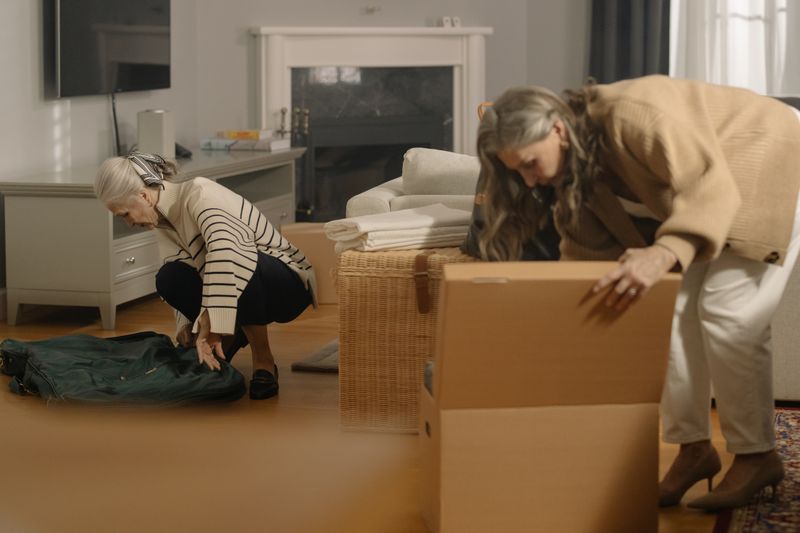
Sort in rounds. Start with duplicates and items you already know you do not want. Leave emotionally difficult decisions for a quieter moment rather than making them while the truck is waiting. Keep a separate box for essential documents and personal records. If other people are helping, explain the rules for removal clearly; efficiency should not depend on someone guessing what you meant to keep.
Connect the sale and the move
Ask how the selling timeline can fit the next housing arrangement. Will you move before closing, at closing, or under another documented arrangement? What costs arise if the dates do not align? Include storage and temporary accommodation in your planning if they might be needed. The sale price is only part of a transition that also involves access, transportation, and getting settled.
Discuss the condition and contents of the existing property honestly when exploring sale options. If you prefer to leave some furniture or ordinary items, ask whether that is accepted and how it affects terms. Do not assume an as-is offer includes every object. Protect things you plan to retrieve and make agreements about remaining contents explicit before you rely on them.
Keep the first week comfortable
Prepare the next home around a few priorities: a comfortable place to sleep, basic cooking supplies, easy access to essentials, and the objects that make the unfamiliar space feel recognizable. You do not need every box unpacked to begin living there. If mobility or other access needs affect the move, coordinate appropriate support and evaluate the space with those needs in mind.
Try an illustrative exercise: choose five routines you want to preserve and write the space or equipment each needs. Use that page during both packing and housing decisions. Downsizing becomes less about eliminating your past and more about selecting what helps the next part of your life work. A thoughtful property sale should support that transition, with a calendar and responsibilities you can realistically manage.
General educational information. Examples are illustrative; local requirements and individual circumstances vary. Professional legal, tax, housing, or real estate advice may be appropriate for your situation.